What happens when historians, occultists, artists, and independent researchers gather in the attic of Jiřího Mahen Memorial to discuss topics related to the Occult, Magical Traditions, and Esoteric practices that attract social science researchers and practitioners? What conversations emerge when academic investigation meets the living traditions of Hermeticism, Alchemy, Ceremonial Magic, Tarot, and alternative Religious Movements?
In Brno, an unusual conference offers a chance to explore these questions.
Tea at Mephisto’s is more than an academic gathering. It is an invitation to enter a fascinating intellectual landscape where historical scholarship meets esoteric curiosity, where forgotten manuscripts invite renewed attention, and where subjects often pushed to the margins of conventional academic discussion become the centre of serious and stimulating debate.
The conference takes its unconventional name from Mephistopheles, a theatrical drama written by Czech playwright Jiří Mahen in 1910. Its setting is equally distinctive: the Jiří Mahen Memorial, a beautiful historical villa where the atmosphere provides an evocative backdrop for discussions about the mysterious, the symbolic, and the unconventional. The Czech institution that is carrying this event is Síť, which is an association of scientists, practitioners, and artists who are dedicated to the occult and related topics.
But what makes Tea at Mephisto particularly interesting is its subject matter.
Beyond the Familiar Boundaries of Religious History
Western esotericism has influenced European culture in ways that are often overlooked. From Renaissance Hermeticism and Christian Kabbalah to Rosicrucianism, Freemasonry, Theosophy, Martinism, and modern ceremonial magic, esoteric movements have contributed to the development of philosophy, literature, art, psychology, and alternative approaches to spirituality.
Yet these traditions are frequently misunderstood. Sometimes they are reduced to sensational stories about secret societies; at other times, they are dismissed as historical curiosities or relegated to the margins of religious studies.
Tea at Mephisto’s approaches these subjects from a broader perspective.
The conference welcomes historians, scholars of religion, ethnologists, psychologists, librarians, independent researchers, occult practitioners, and anyone interested in understanding the complex history of esoteric ideas and movements.
Its multidisciplinary character is particularly valuable. A historian examining the development of a Rosicrucian movement may approach a subject differently from an anthropologist studying contemporary ritual practices or an occultist investigating the practical transmission of ceremonial techniques. Bringing these perspectives together creates opportunities for conversations that rarely happen in more specialized academic environments.
The result is an atmosphere in which intellectual curiosity is encouraged and different approaches can meet.
Where Scholarship Meets Living Practice
One of the most appealing aspects of Tea at Mephisto’s is that it does not treat esotericism exclusively as something preserved in old books and historical archives.
The conference also recognizes the continuing presence of occult and alternative spiritual practices.
Witchcraft, Voodoo, astrology, alchemy, and magic are among the broader fields of interest represented in its multidisciplinary approach. These subjects invite questions about the relationship between belief and experience, ritual and identity, symbolism and transformation.
How should we understand magical practices in their historical contexts? What can the study of ritual reveal about human experience? How do esoteric systems organize knowledge about the cosmos and the individual? And why have occult ideas continued to attract intellectual and spiritual interest across generations?
The opportunity to examine these questions from different perspectives is one of the conference’s strongest attractions.
Rather than demanding that participants adopt a particular worldview, the event creates room for investigation, discussion, and exchange.
The Tea at Mephisto’s IV Experience
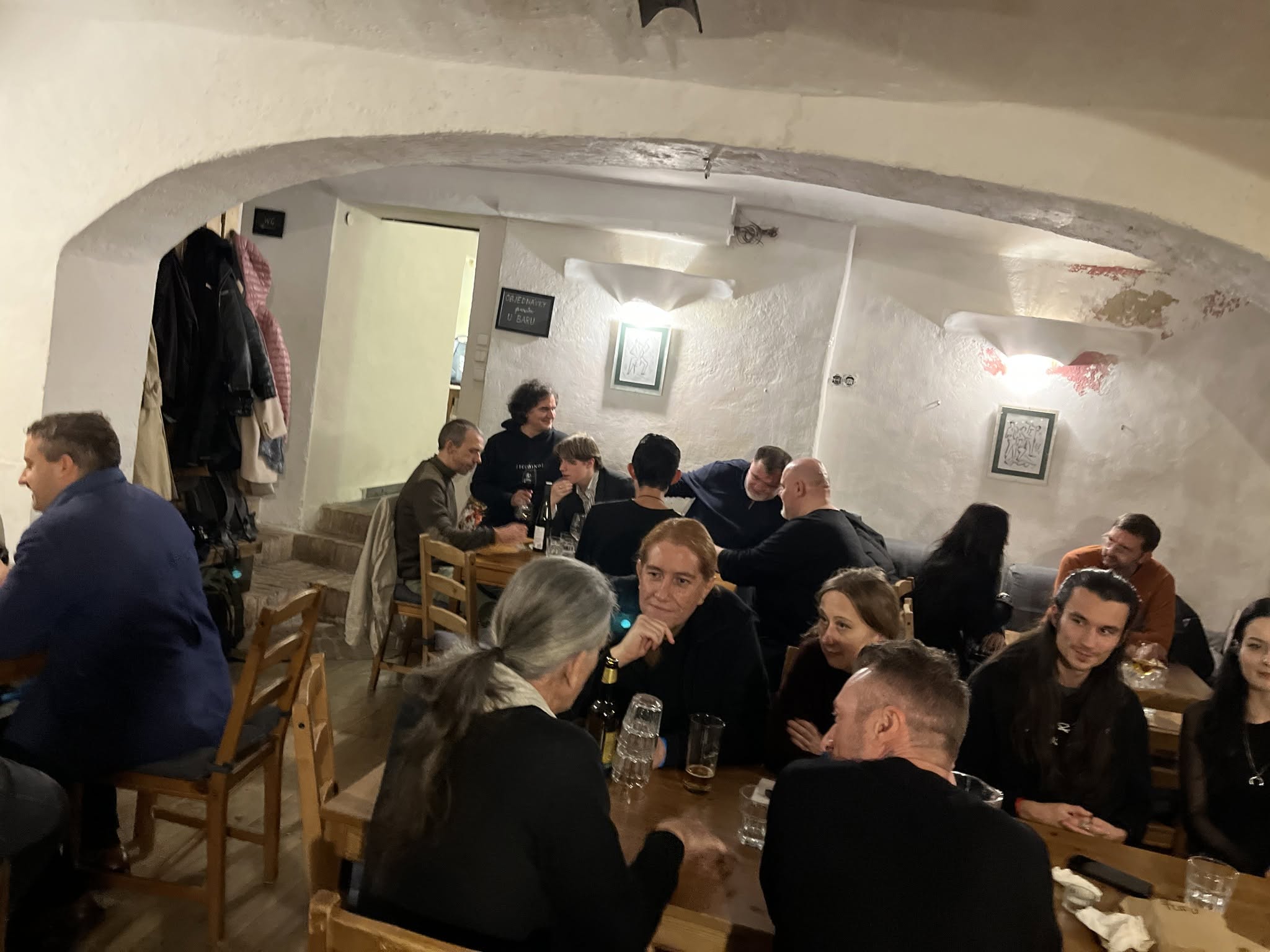
The day before the conference, we had a pre-meeting called Brno Occult Beer. Indeed, the local winery where the event was held provided delicious Czech beer, but we could not resist the temptation of tasting a delicious variety of boutique wines and appetizers, as the conversations started bubbling at the table. Foreign attendees from Italy, Germany, Hungary, Poland, Serbia, Slovakia, Slovenia, and the USA met with the local ones, and we enjoyed their hospitality.
THE OPENING
We were introduced to the story of the Tea at Mephisto’s Conference and the topics to be discussed during the following days. Every participant received a nice kit of the event as a welcome gift. During this 4th edition, we had the opportunity to attend almost all lectures.
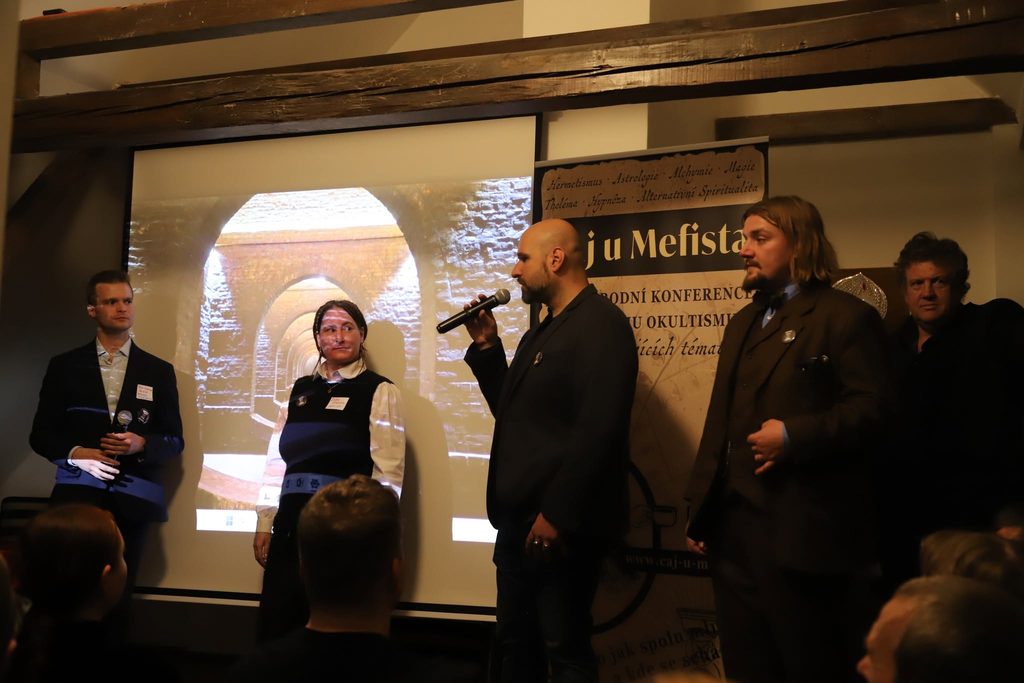
(photo courtesy of Síť)
THE LECTURERS
The conference provided topics led by specialists from Czech Universities and members of Síť, Publishing Occult and Esoteric Houses, and the Central and Eastern European Network for the Academic Study of Western Esotericism CEENASWE. The following photos will introduce almost all the lecturers.
We apologize for not including all of them because we were not able to coincide with all the schedules
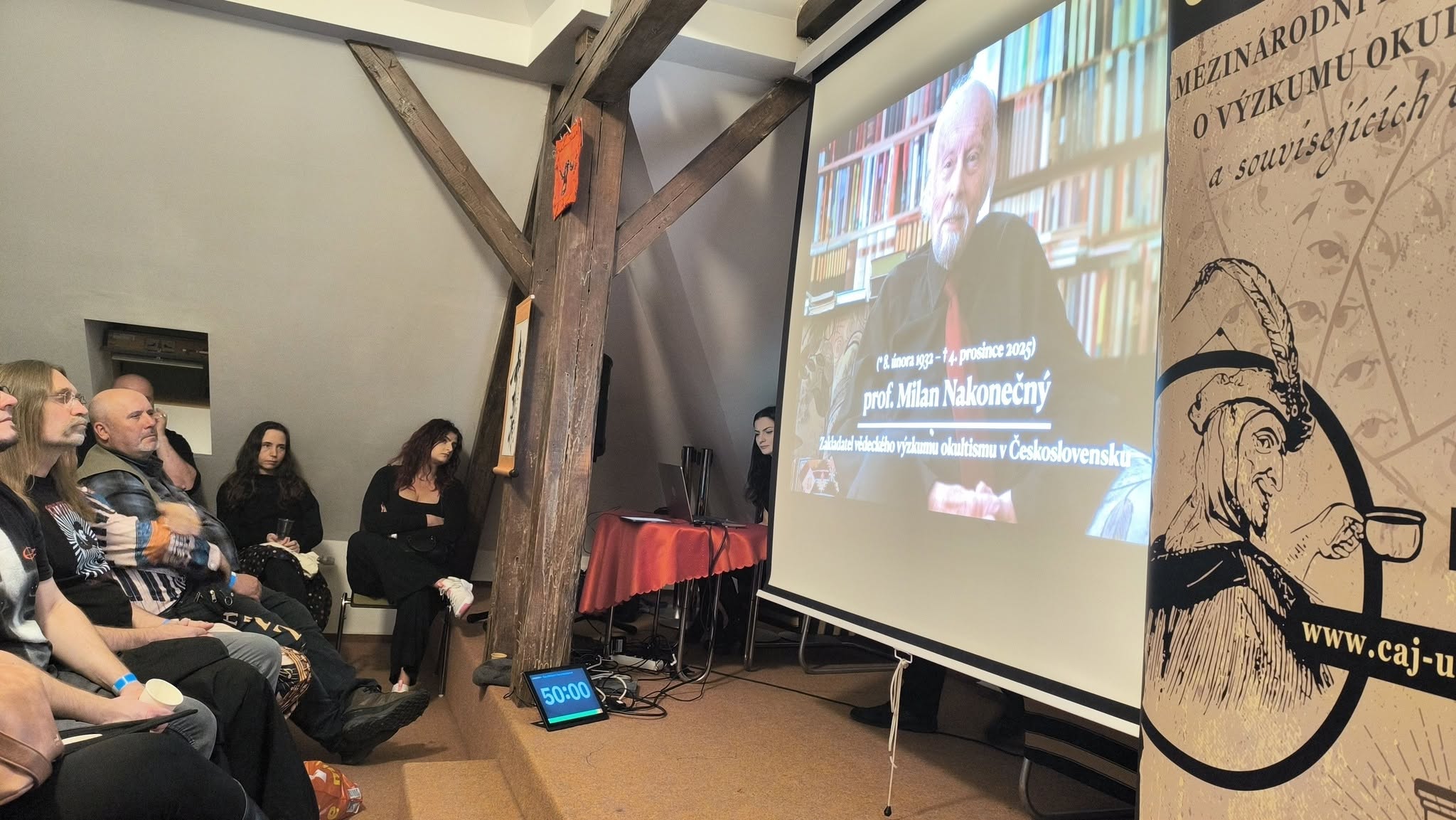
Last words of Milan Nakonečný
Czech psychologist and professor (photo courtesy of Síť)
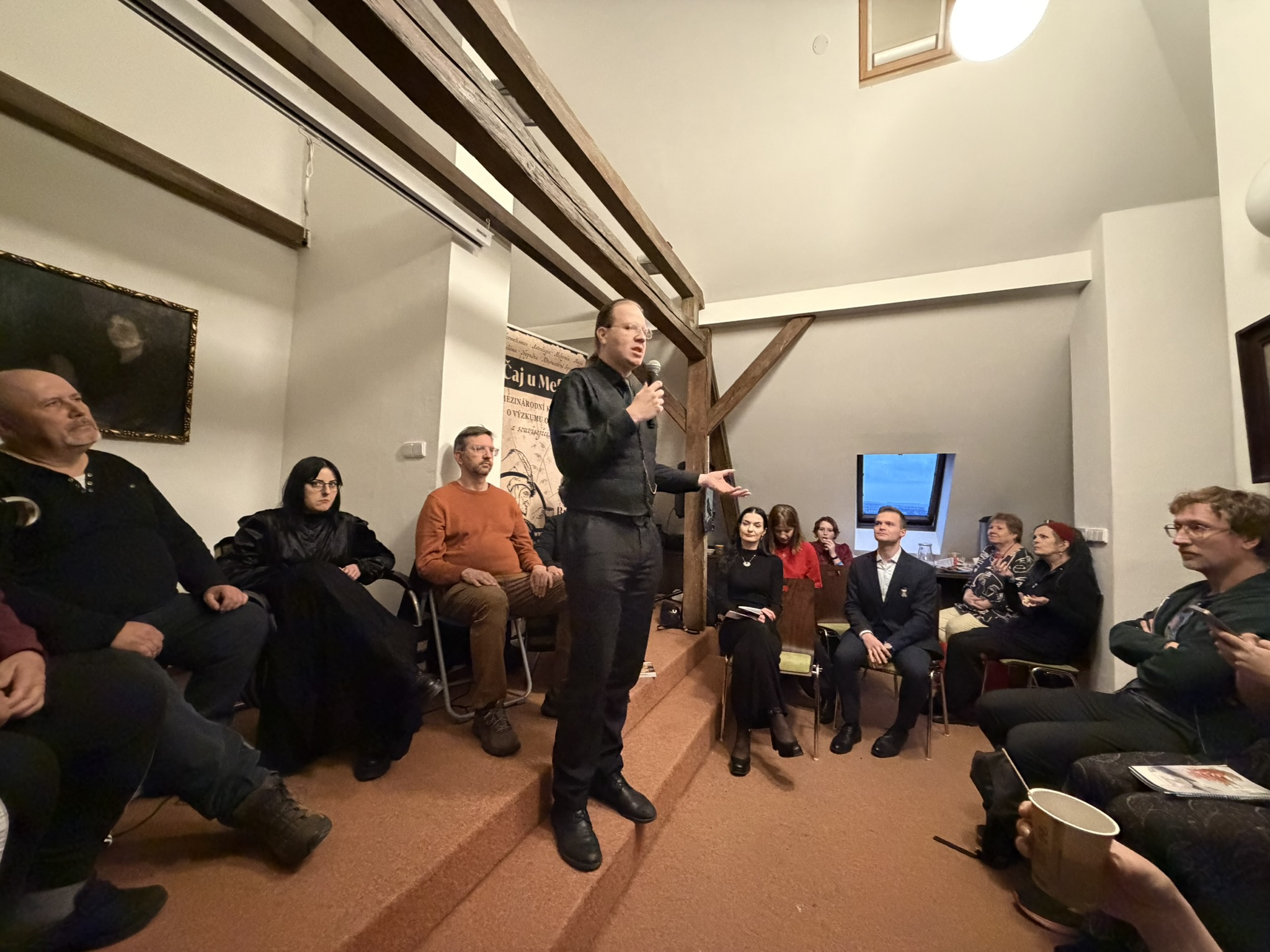
Mgr. Jan Ševčík: Jewish magic and mysticism in Czechoslovakia (photo courtesy of Síť)
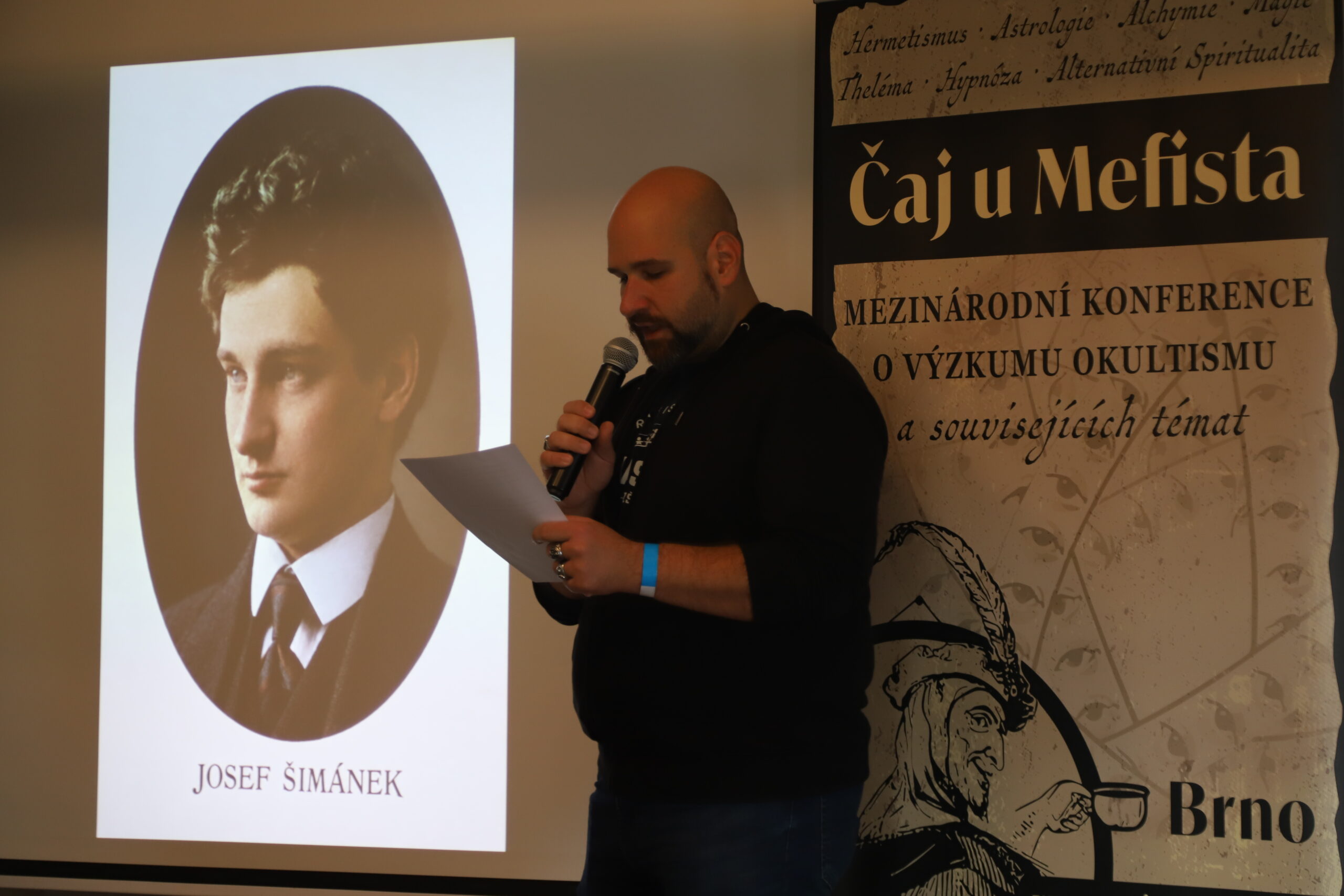
Ivo Chmelař: Josef Šimánek – a half-forgotten poet or an initiate of mysteries? (photo courtesy of Síť)
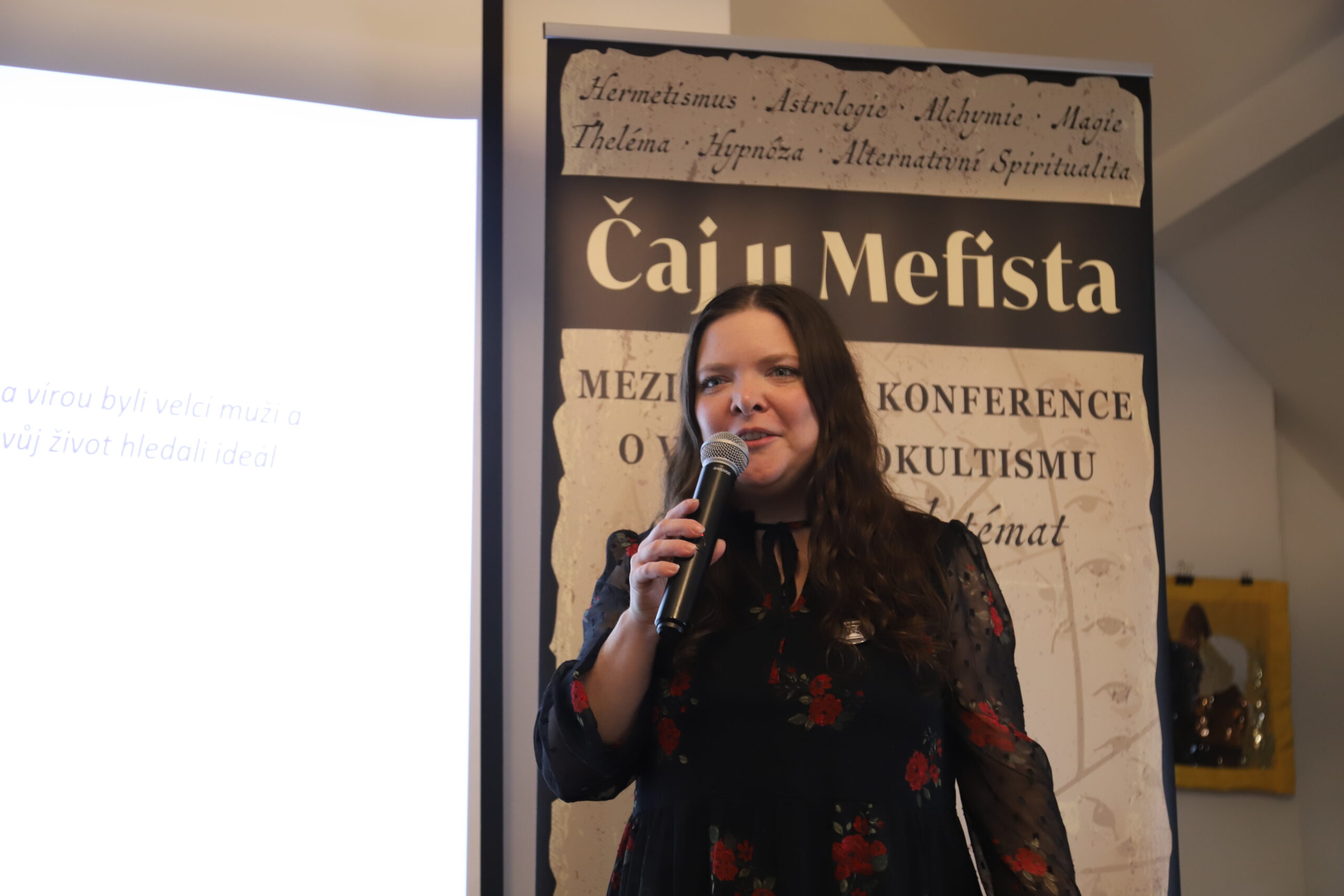
Olga Čejková: Science, faith, superstition – the eternal conflict of different interpretations of the world (photo courtesy of Síť)
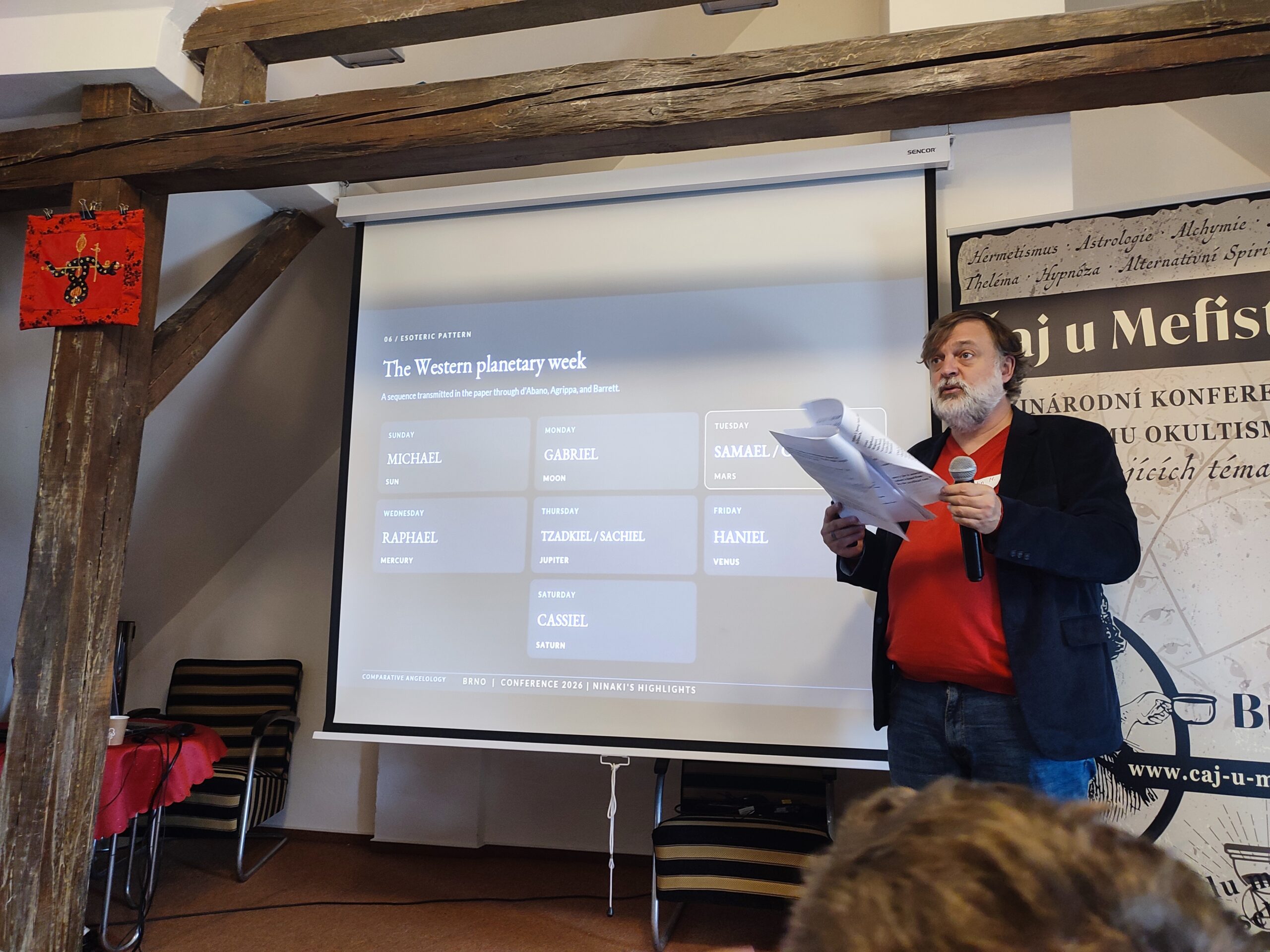
John Meek – Comparative Angelology as Seen In the Angels of the Week
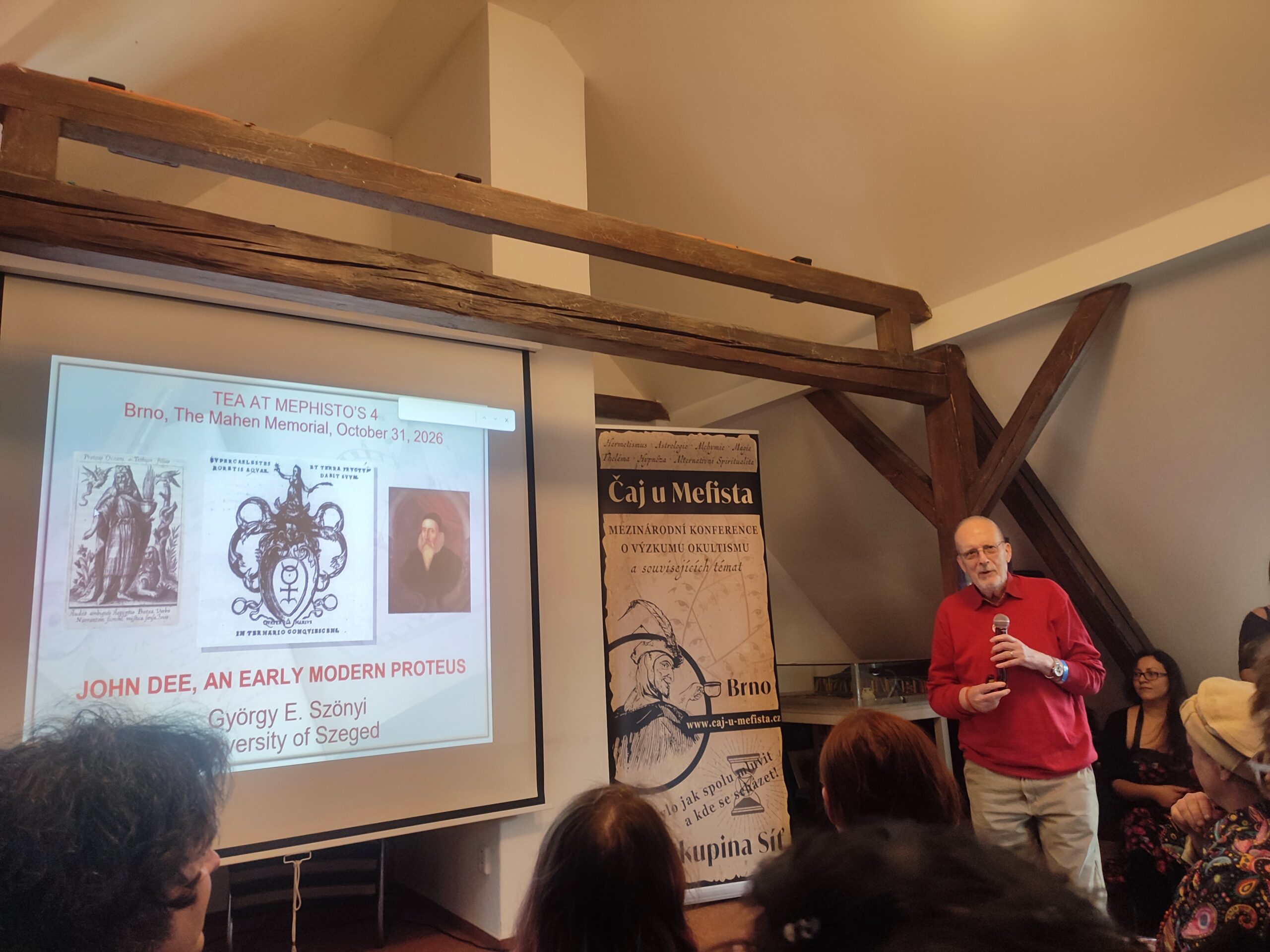
György Szönyi: John Dee, An Early Modern Proteus
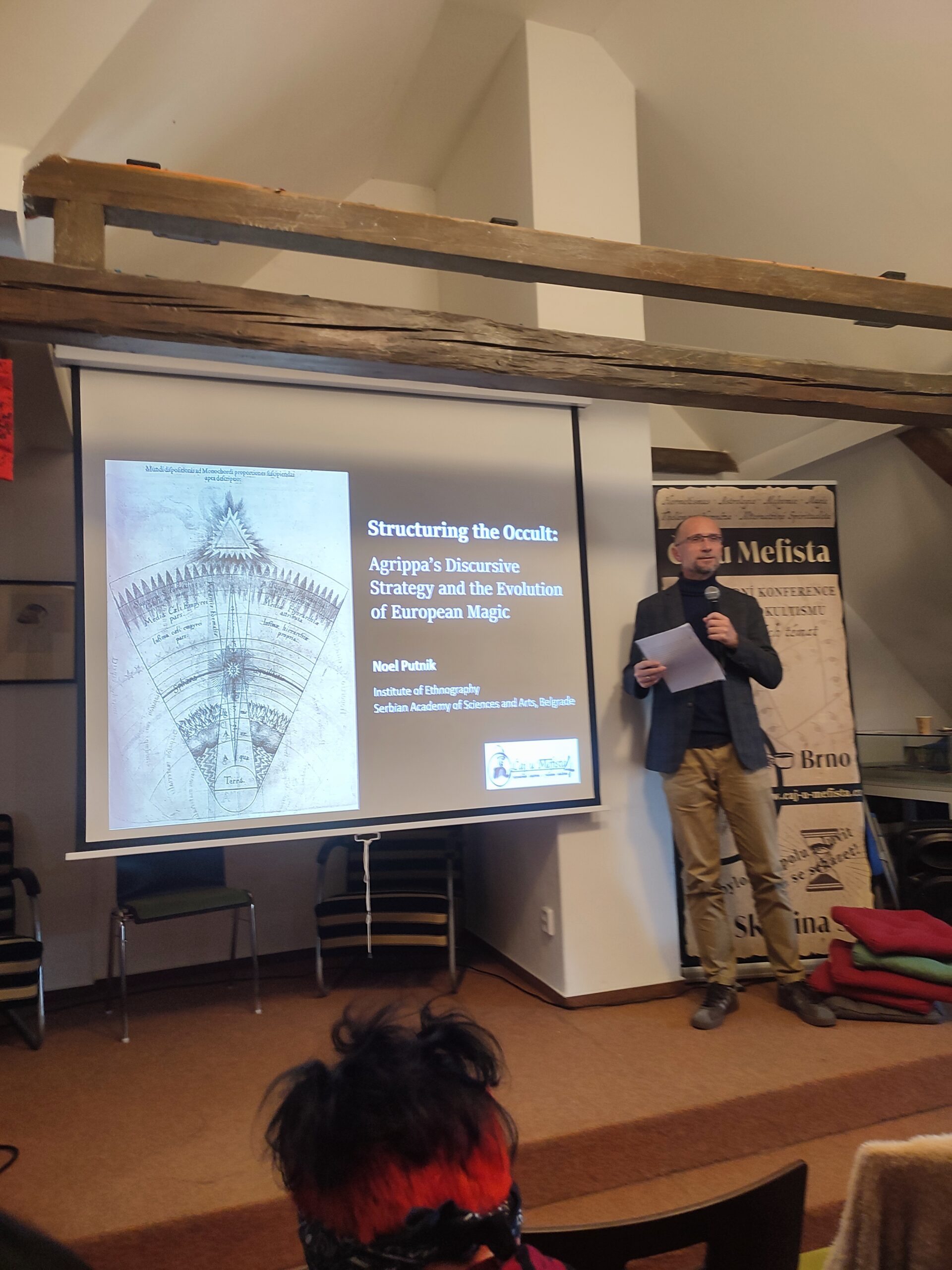
Noel Putnik: Structuring the Occult – Agrippa’s Discursive Strategy
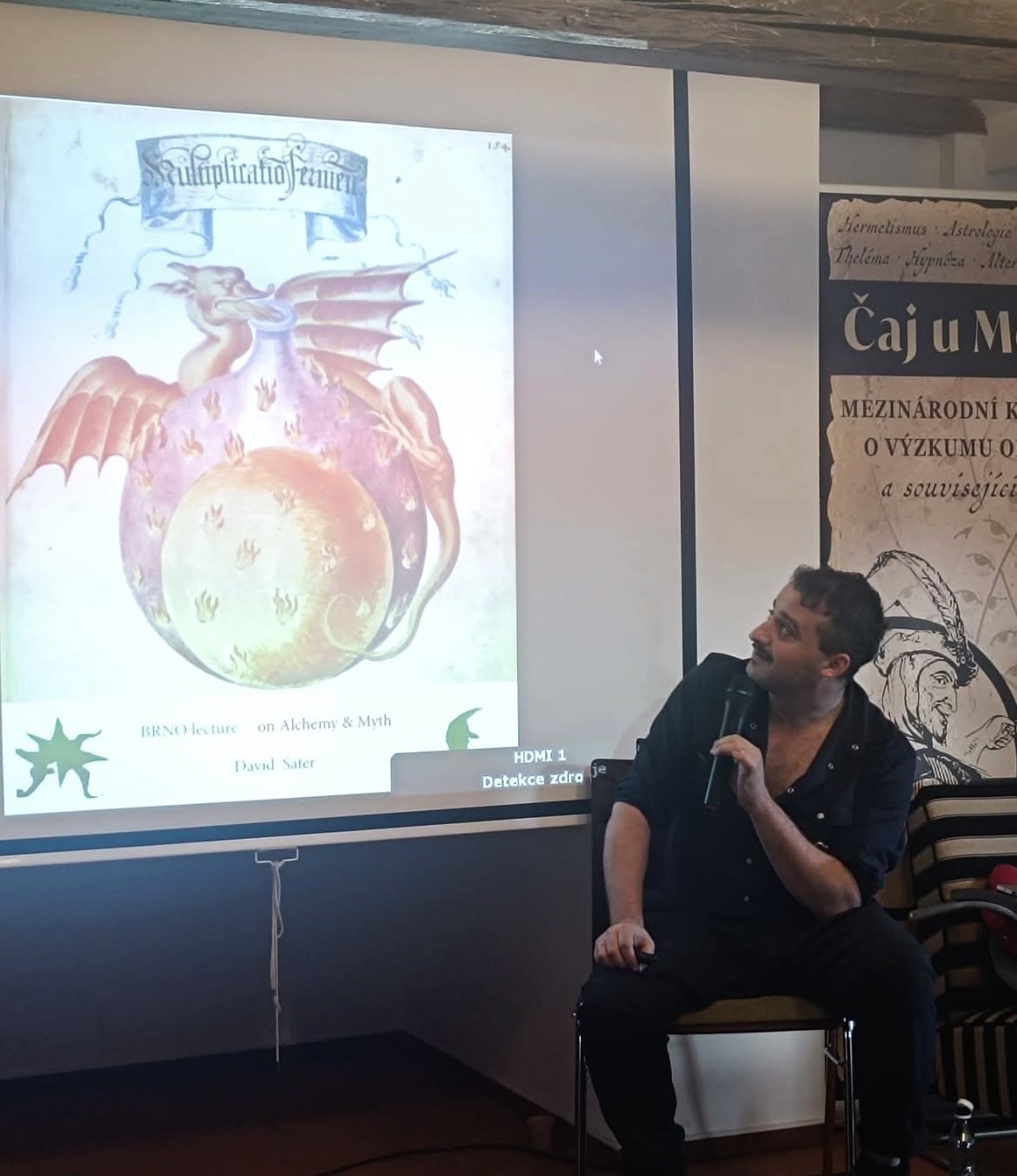
David Sater: Mythology in Alchemy
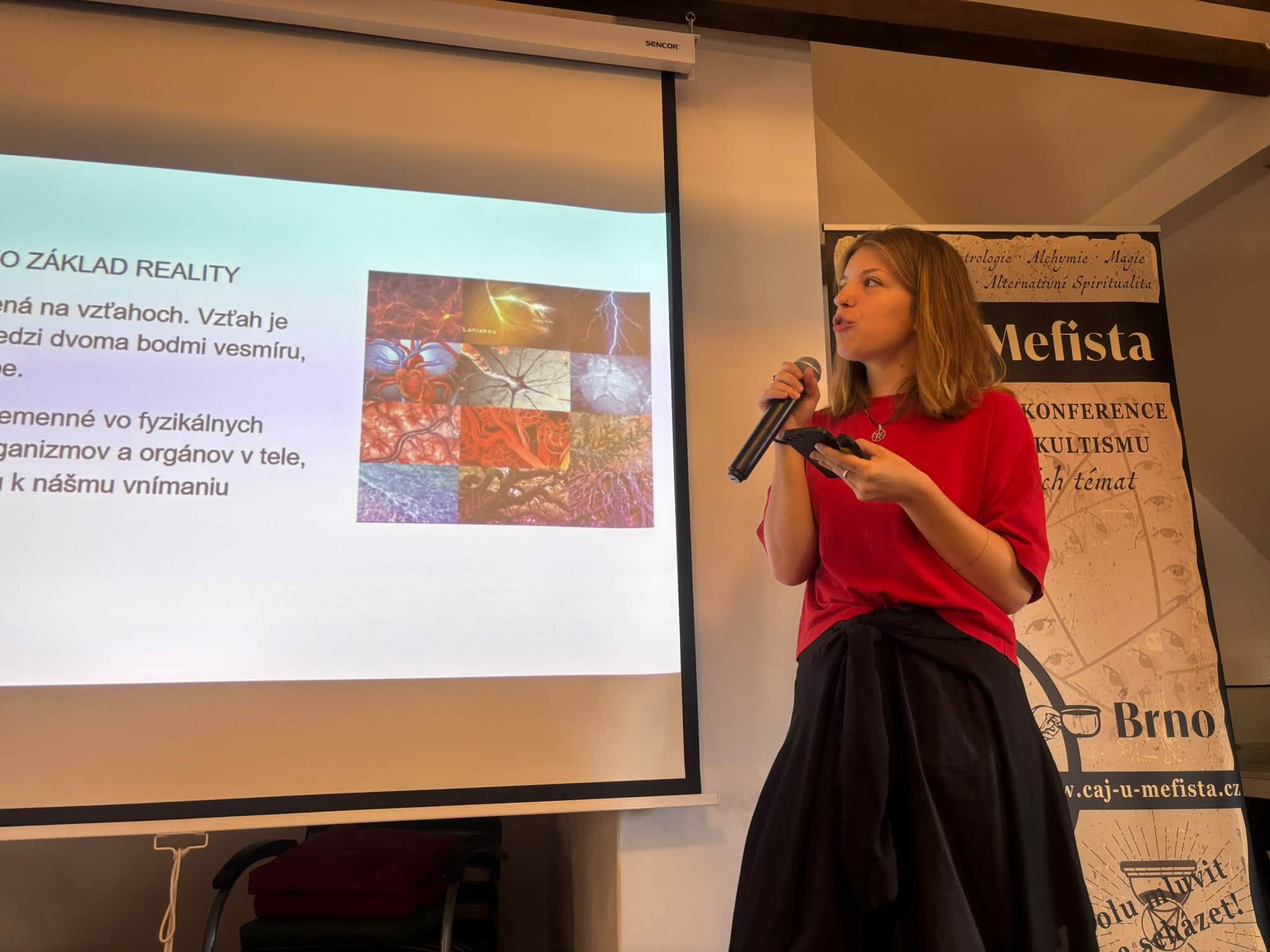
Zuzana Hrašková: Metaphysics and the occult nature of love (photo courtesy of Síť)
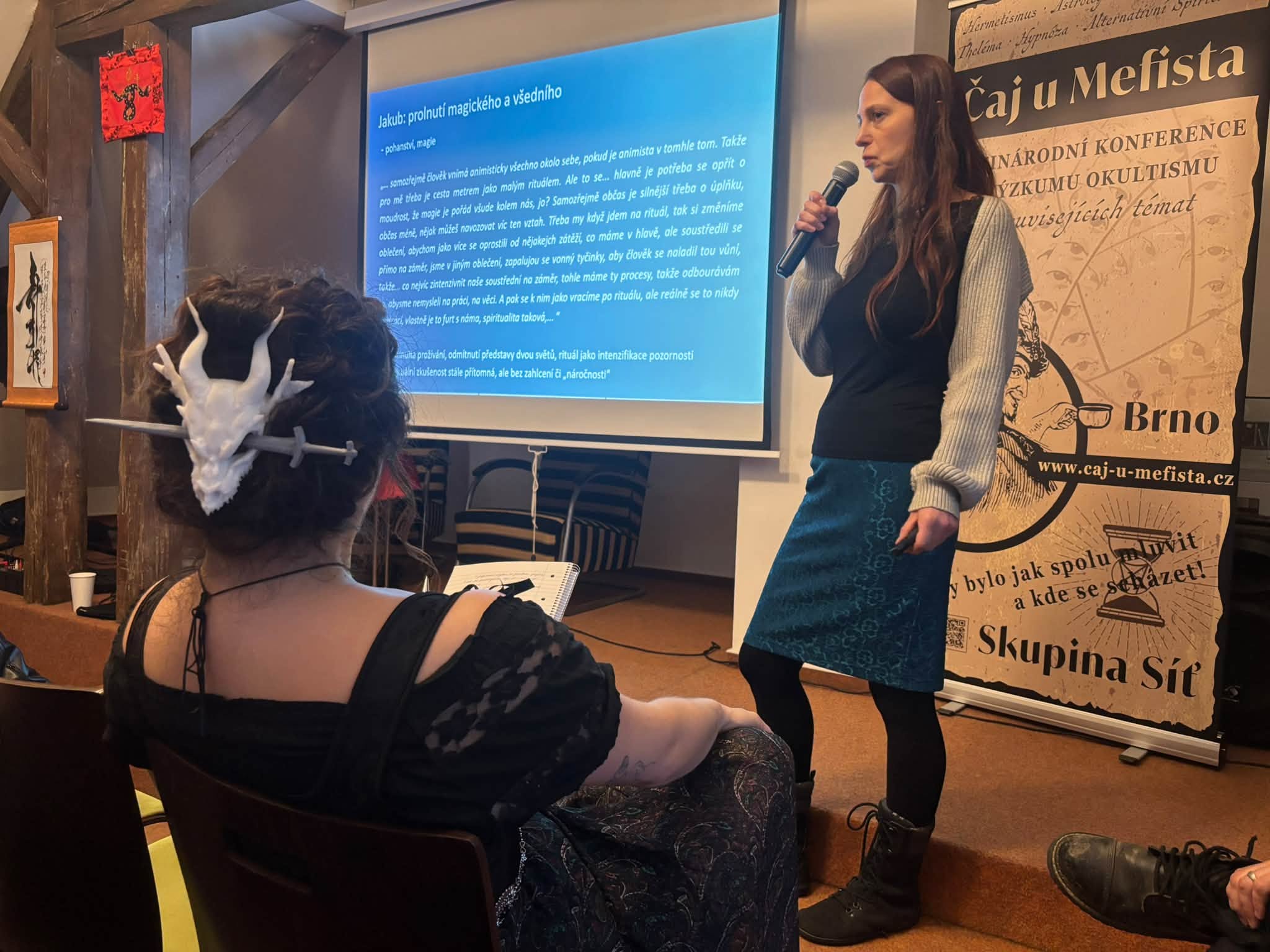
Veronika Šulcová: GEDE: death, sex and dictatorship (photo courtesy of Síť)
More Than Lectures: An Immersive Cultural Experience
Tea at Mephisto’s also distinguishes itself through its accompanying cultural programme.
Alongside its academic presentations, the conference features activities that bring the artistic and experiential dimensions of esoteric culture into focus. (following photos courtesy of Síť)
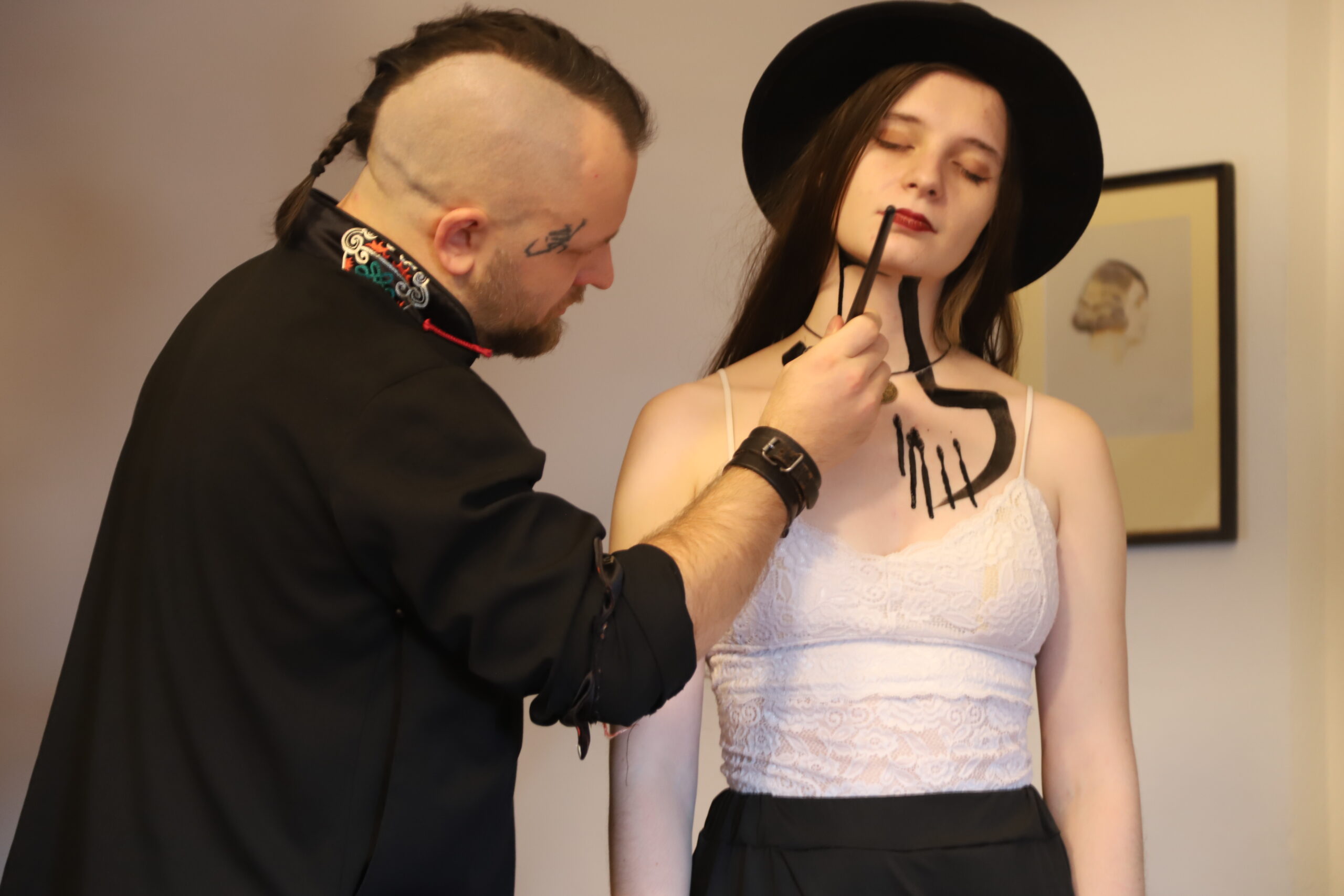
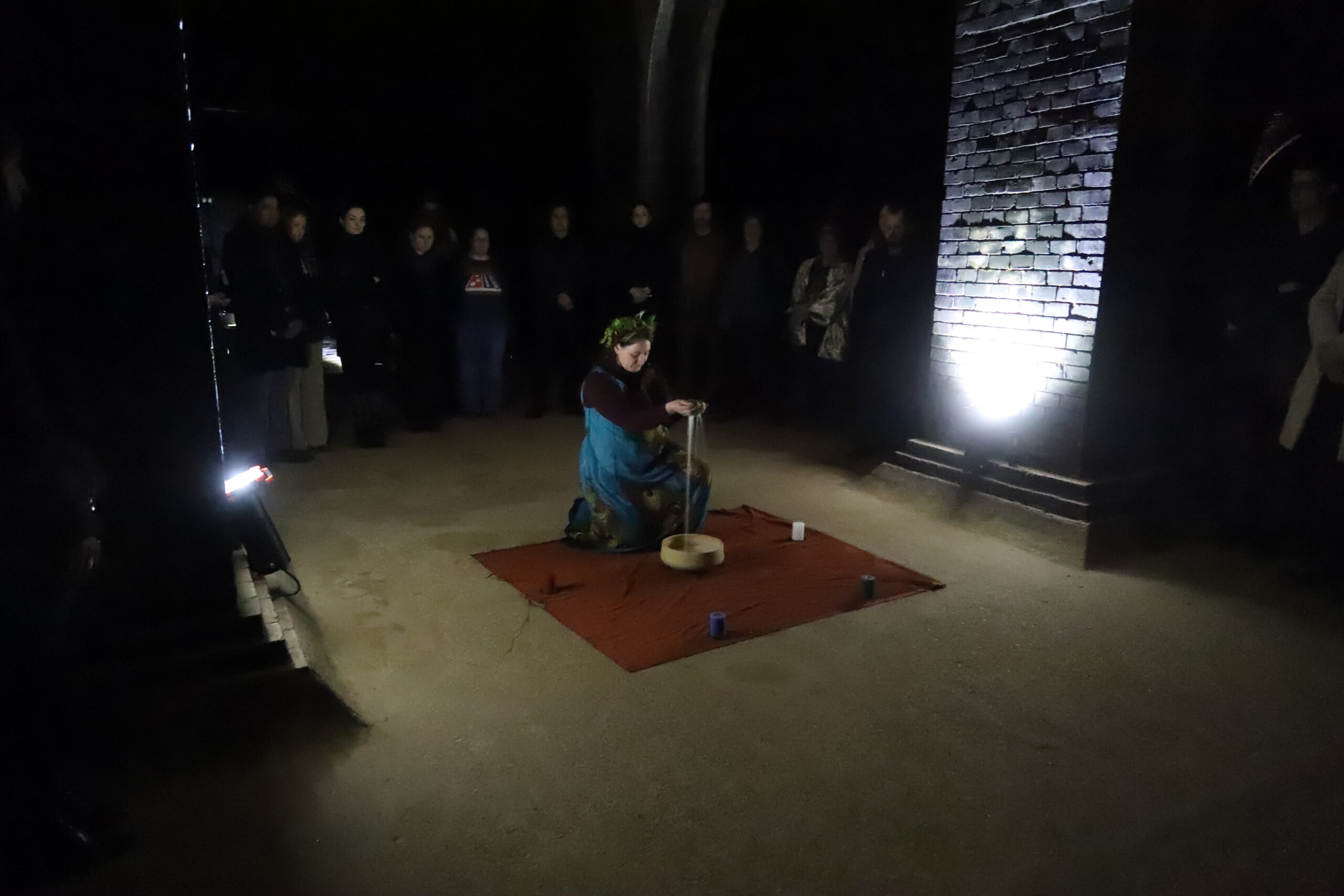
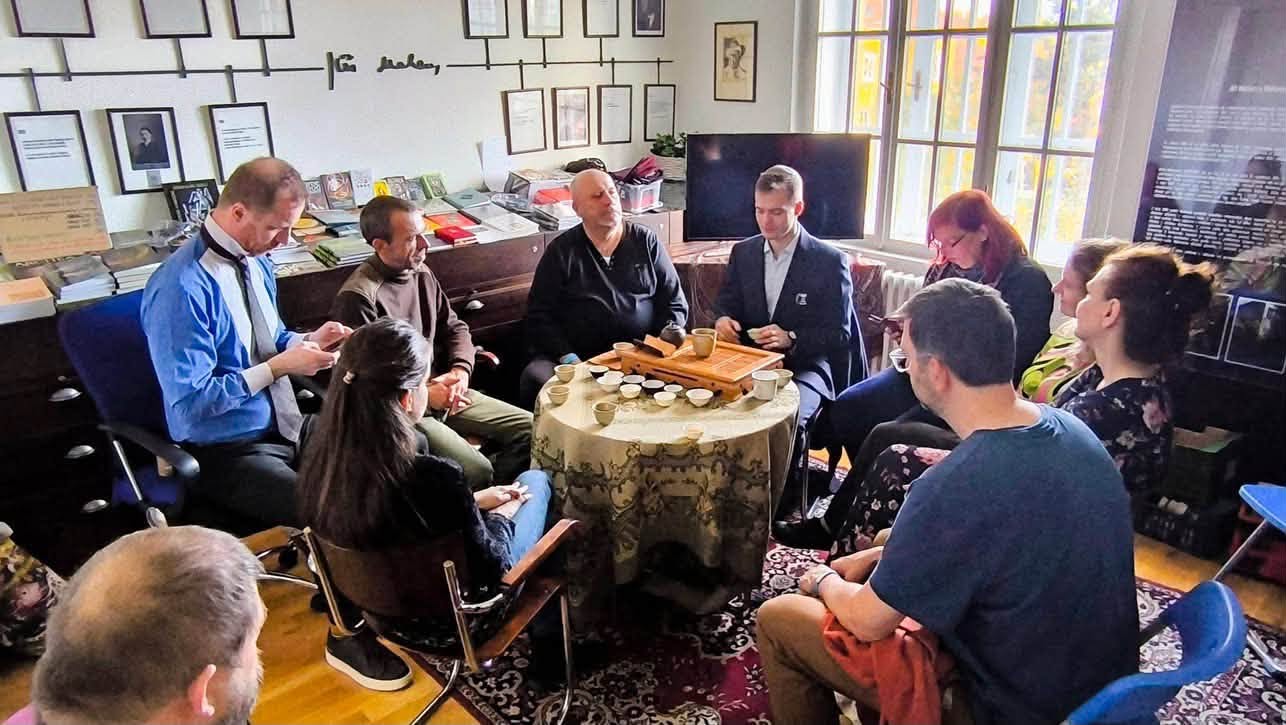
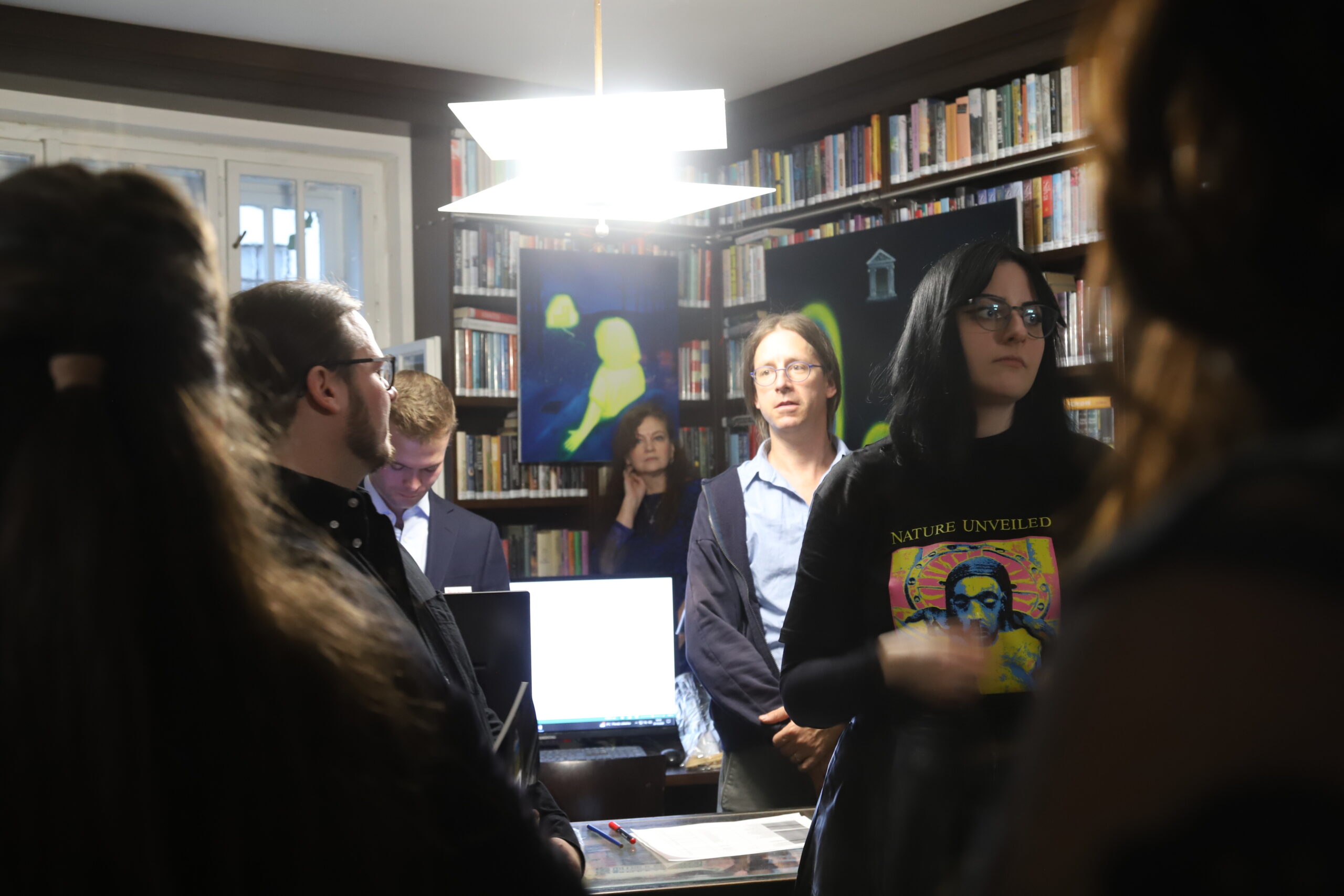
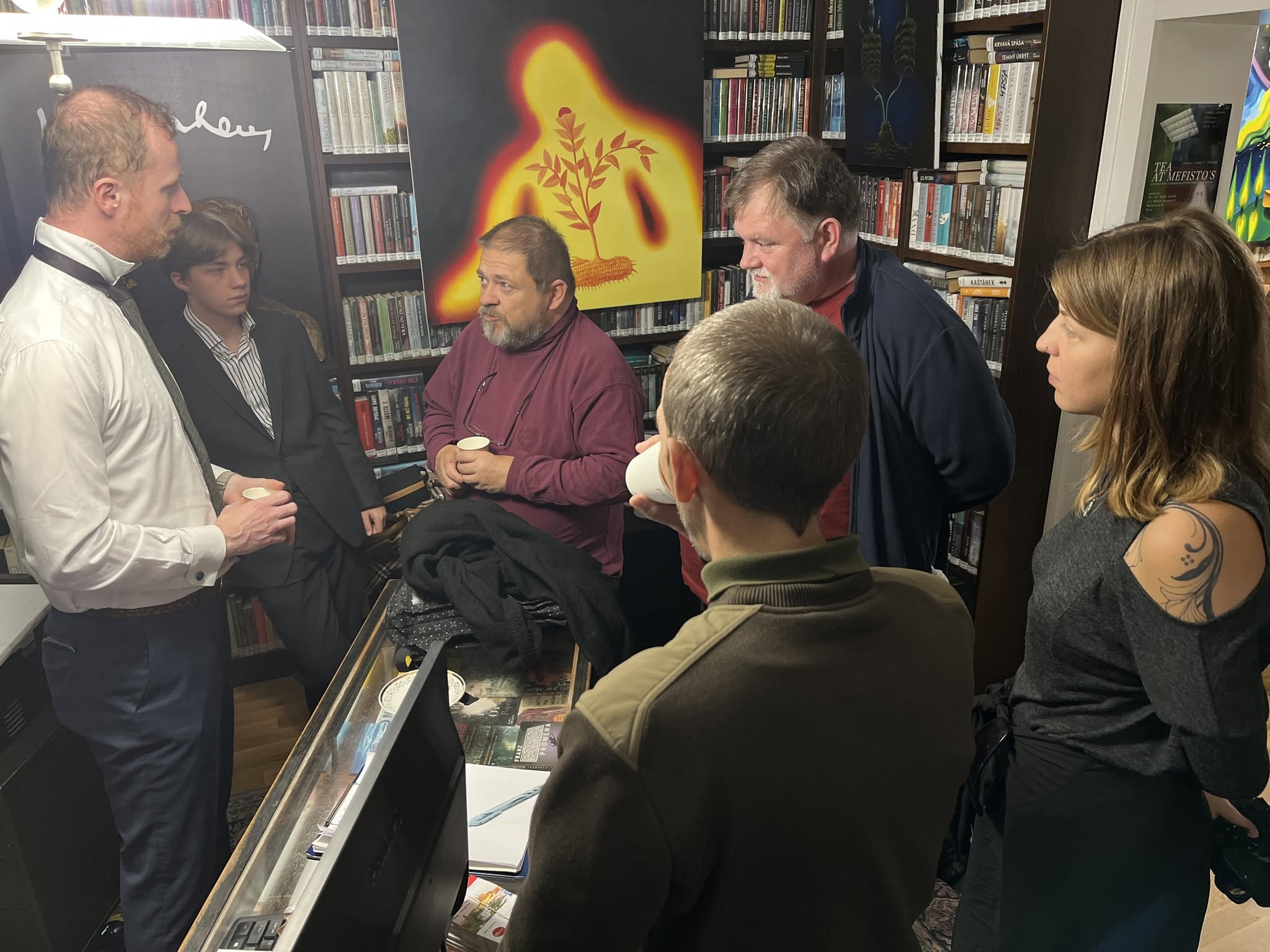
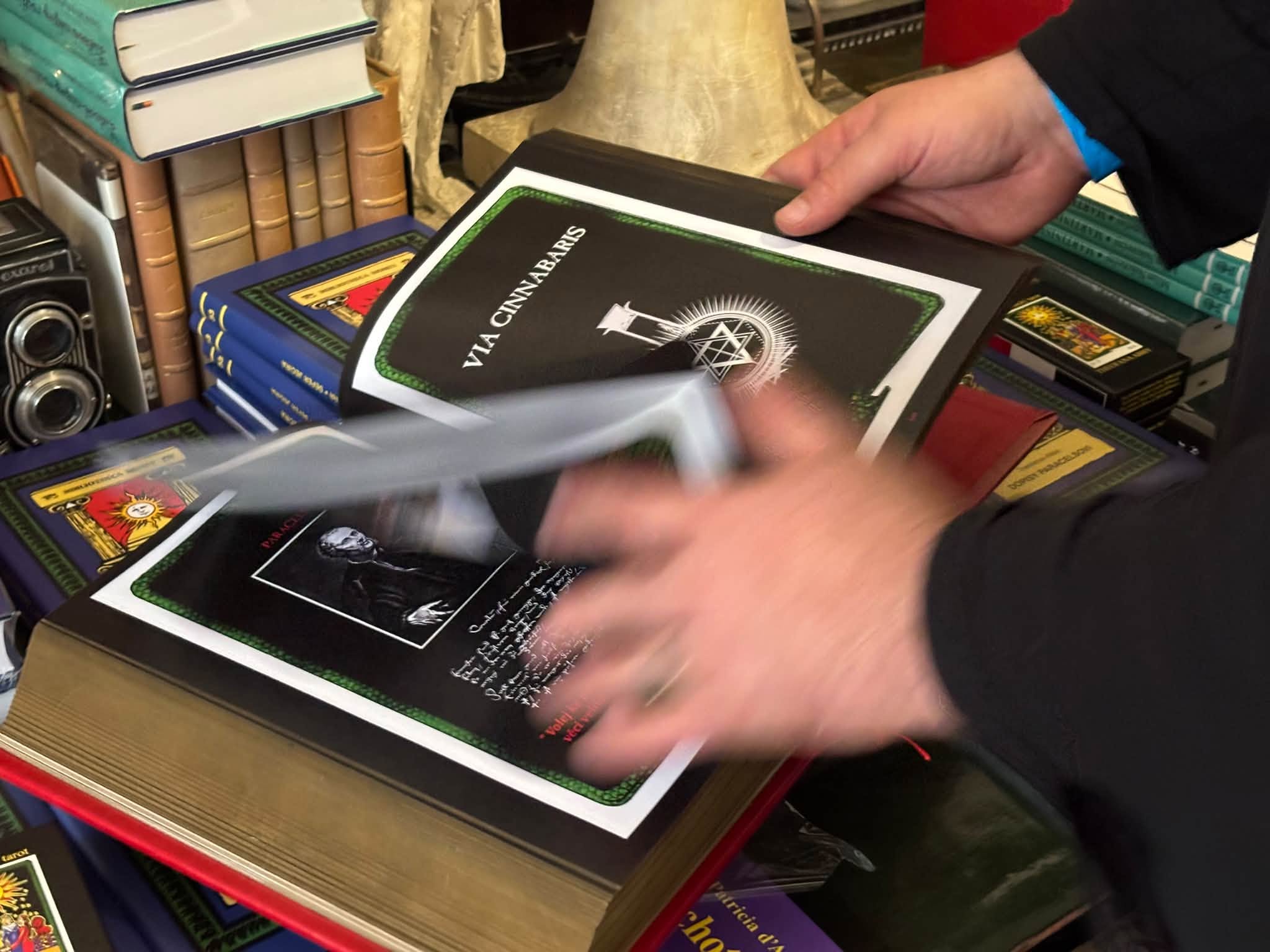
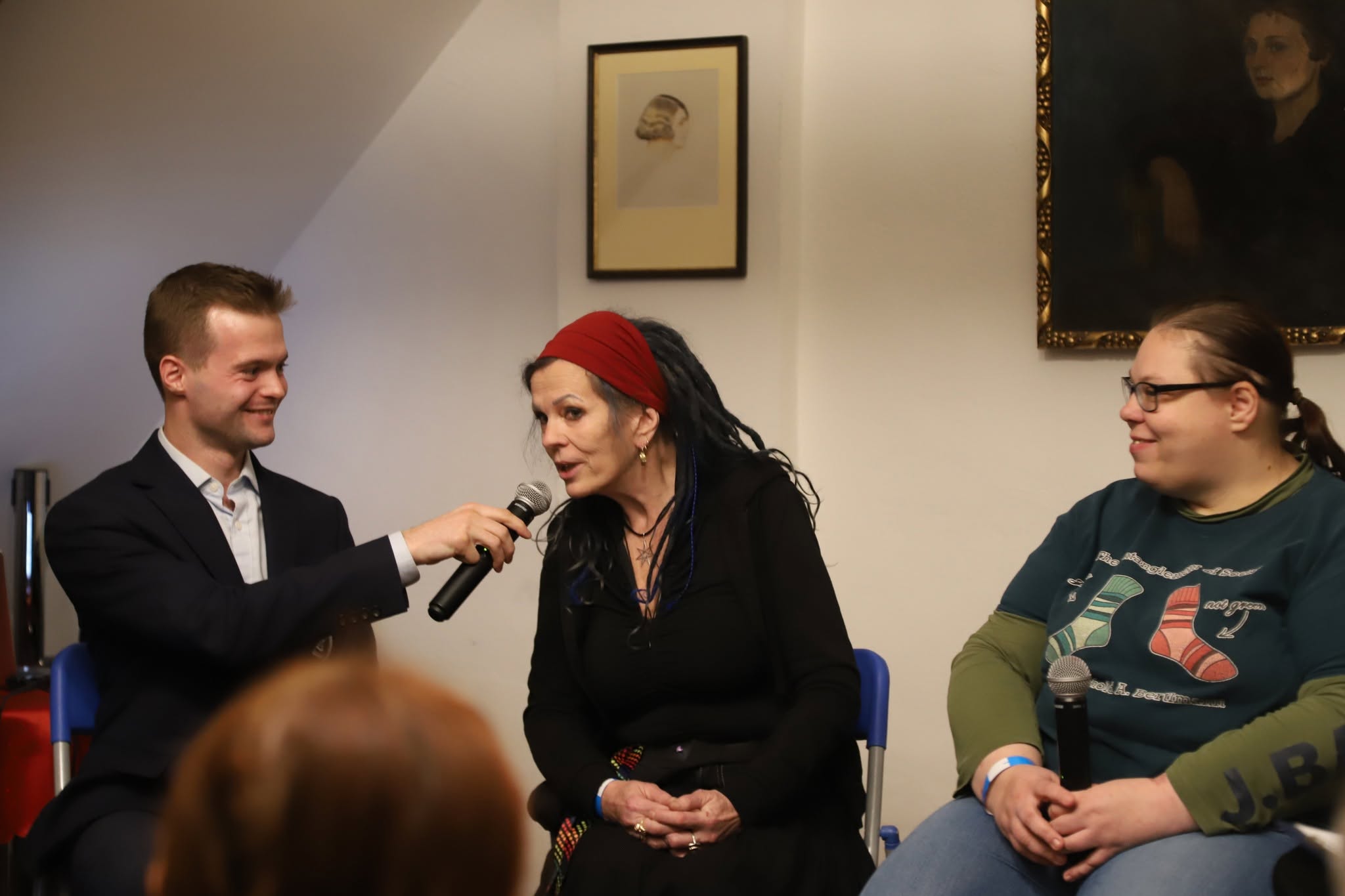
Visitors can encounter exhibitions, including presentations devoted to the history of Tarot, and works by artists inspired by esoteric and occult themes. The programme also includes musical performances, demonstrations of mystical dances, tea rituals, and opportunities to discover the Jiří Mahen Memorial and interesting locations around Brno.
This combination gives the event a character that extends beyond the traditional academic conference.
Imagine moving from a discussion about the historical development of an initiatory order to an exhibition exploring Tarot symbolism, then encountering an artistic interpretation of mystical themes or participating in a traditional tea ritual.
Such experiences allow the subject matter to be approached through more than one intellectual or sensory channel.
The historical villa itself contributes to this atmosphere. Its library, museum spaces, former attic lecture room, and garden provide a setting in which conversations can continue beyond the formal presentations.
It is an environment that encourages encounters, unexpected discussions, and the discovery of shared interests.
The Secret Histories of Occult Traditions
Among the subjects that make the conference especially compelling are the historical and contemporary manifestations of Western esoteric movements. This year, there was a place for the Voodoo Tradition during the topic: GEDE: death, sex and dictatorship, and for the Hermetic Order of the Golden Dawn and its view of The Initiatory Paradigm of Transformative Mythologies.
The Unity of the Brethren, Rosicrucians, Freemasons, Martinists, the Theosophical Society, Golden Dawn, and Ordo Templi Orientis represent only some of the traditions that have shaped the history of modern esotericism.
Each has its own intellectual heritage, symbolic vocabulary, initiatory structures, and understanding of spiritual development.
What did these movements believe? How did their teachings circulate across Europe? What was the relationship between their public activities and private initiatory practices? How did their ideas evolve as they encountered modern science, philosophy, politics, and changing religious landscapes?
These are not merely questions about the past. They also concern the origins of many ideas and practices that continue to influence contemporary spiritual and occult communities.
For anyone fascinated by the history of secret societies, initiatory orders, Hermetic philosophy, and the transmission of esoteric knowledge, Tea at Mephisto offers an opportunity to explore these subjects in an intellectually stimulating environment.
A Meeting Place for Different Worlds
Perhaps the greatest value of Tea at Mephisto’s lies in the people it brings together.
Academic researchers and independent scholars can exchange ideas with practitioners who approach esoteric traditions through personal experience. Artists can find inspiration in historical symbolism, while students and curious visitors can discover subjects they may never have encountered in conventional educational settings.
For newcomers, the conference can be an introduction to an extensive and fascinating field of study.
For experienced researchers, it offers the possibility of discovering new sources, meeting colleagues, and exploring questions beyond the boundaries of their usual specializations.
For practitioners of esoteric traditions, it provides an opportunity to engage with the historical and intellectual dimensions of subjects that are often approached primarily through practical instruction.
And for anyone who has ever wondered what lies behind the symbols of Hermetic philosophy, the mysteries of alchemy, the history of occult orders, or the enduring fascination with Tarot and magic, it offers a welcoming point of entry.
The conference is also made accessible beyond its physical location through online streaming, allowing people who cannot travel to Brno to follow its discussions and presentations.
Why Brno?
Brno is an especially fitting setting for such an encounter.
As a major Central European cultural and intellectual centre, the city offers a distinctive atmosphere in which historical traditions and contemporary ideas can meet. Its architectural heritage and cultural institutions provide an appropriate backdrop for exploring the intellectual and spiritual currents that have shaped European history.
The Jiří Mahen Memorial adds another layer of character. Rather than taking place in an anonymous conference centre, Tea at Mephisto unfolds in a historical villa with its own cultural identity and atmosphere.
There is something fitting about discussing hidden histories, symbolic systems, and alternative spiritual movements in a building that invites visitors to step away from the ordinary rhythm of everyday life.
An Invitation to Curiosity
Ultimately, Tea at Mephisto’s is built around a simple but compelling idea: subjects that are unusual, controversial, neglected, or difficult to categorize deserve thoughtful investigation.
Western esotericism is not a single doctrine, nor is it a unified movement. It is a vast and complicated field encompassing centuries of philosophical speculation, religious experimentation, symbolic creativity, ritual practice, and intellectual exchange.
To explore it seriously requires openness, historical awareness, and a willingness to look beyond familiar categories.
Whether your interests lie in Rosicrucian history, Hermetic philosophy, Freemasonry, Theosophy, Tarot, alchemy, astrology, ceremonial magic, or the study of alternative religious movements, Tea at Mephisto’s offers something particularly valuable: the possibility of encountering people who share your curiosity while introducing you to perspectives you may not have considered before.
Perhaps the most interesting discoveries are not always found in books or archives. Sometimes they emerge through a conversation with another researcher, a question raised during a lecture, or an unexpected connection between seemingly unrelated traditions.
And sometimes, all it takes is a cup of tea.
Tea at Mephisto’s invites you to Brno to explore the histories, ideas, symbols, and practices that continue to make Western esotericism one of the most intriguing fields of cultural and intellectual inquiry.
Come for the knowledge. Stay for the conversations. Leave with new questions.
Comprehensive thoughts on Western Esotericism and Eckartshausen’s View.